Automation Was Supposed to Save Time. So Why Do We Feel Busier Than Ever?
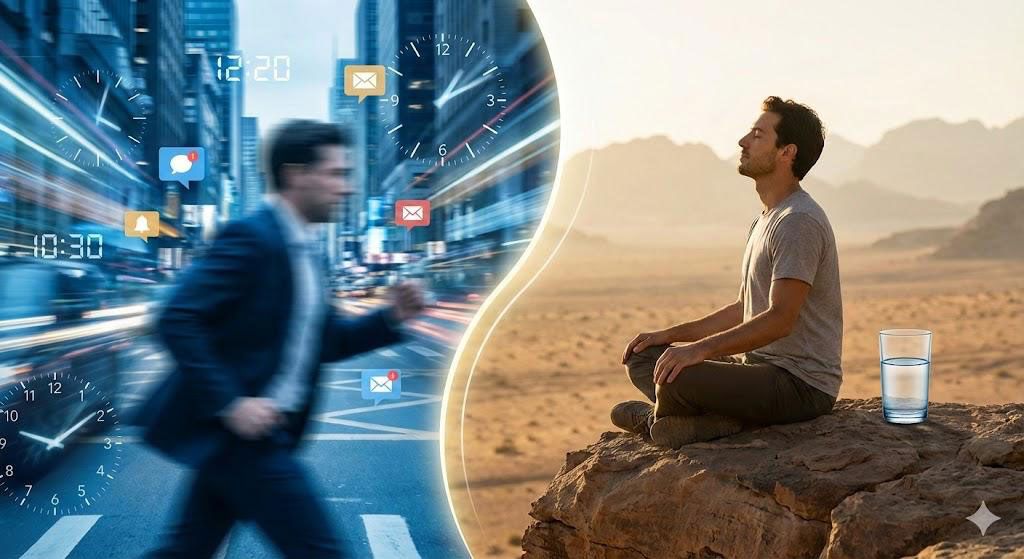

Technology was supposed to simplify life.
Automation promised efficiency.
Smartphones promised connection.
AI promised speed.
Modern tools promised freedom.
Yet somehow, many people feel more overwhelmed, mentally exhausted and constantly “on” than ever before.
We are living in one of the most technologically advanced periods in history, but instead of building better lives, many of us are simply building faster ones.
And there is a difference.
The Paradox of Convenience
Modern workplaces are filled with tools designed to save time:
- emails
- instant messaging
- automation platforms
- scheduling systems
- AI assistants
- cloud software
- productivity apps
Individually, they all make sense.
But collectively?
They often create more complexity than clarity.
Instead of reducing workload, many employees are now managing endless notifications, updates, logins, dashboards, meetings and communication channels. We are no longer just doing our jobs - we are managing the systems surrounding our jobs.
Humans were meant to use machines as tools.
Increasingly, it feels like humans are adapting themselves to keep up with machines.
Faster Does Not Always Mean Better
Speed has become one of society’s biggest obsessions.
Faster replies.
Faster delivery.
Faster growth.
Faster results.
But somewhere along the way, we stopped asking an important question:
Are we actually improving quality of life, or simply increasing the pace of it?
Many professionals today are highly productive but deeply tired.
Constant stimulation has become normalised.
Being busy has become a status symbol.
Rest often feels undeserved unless exhaustion has already arrived.
The problem is that the human nervous system was never designed for constant acceleration.
The Psychology Behind Modern Burnout
There is also a psychological side to this conversation that businesses often overlook.
Many people are not only addicted to productivity - they are addicted to the emotions surrounding it:
- urgency
- pressure
- achievement
- validation
- being needed
- feeling important through busyness



The brain becomes conditioned to constant stimulation and dopamine-driven rewards. Notifications, emails, targets and deadlines create micro-releases of stress hormones and dopamine that keep people in a permanent cycle of reaction.
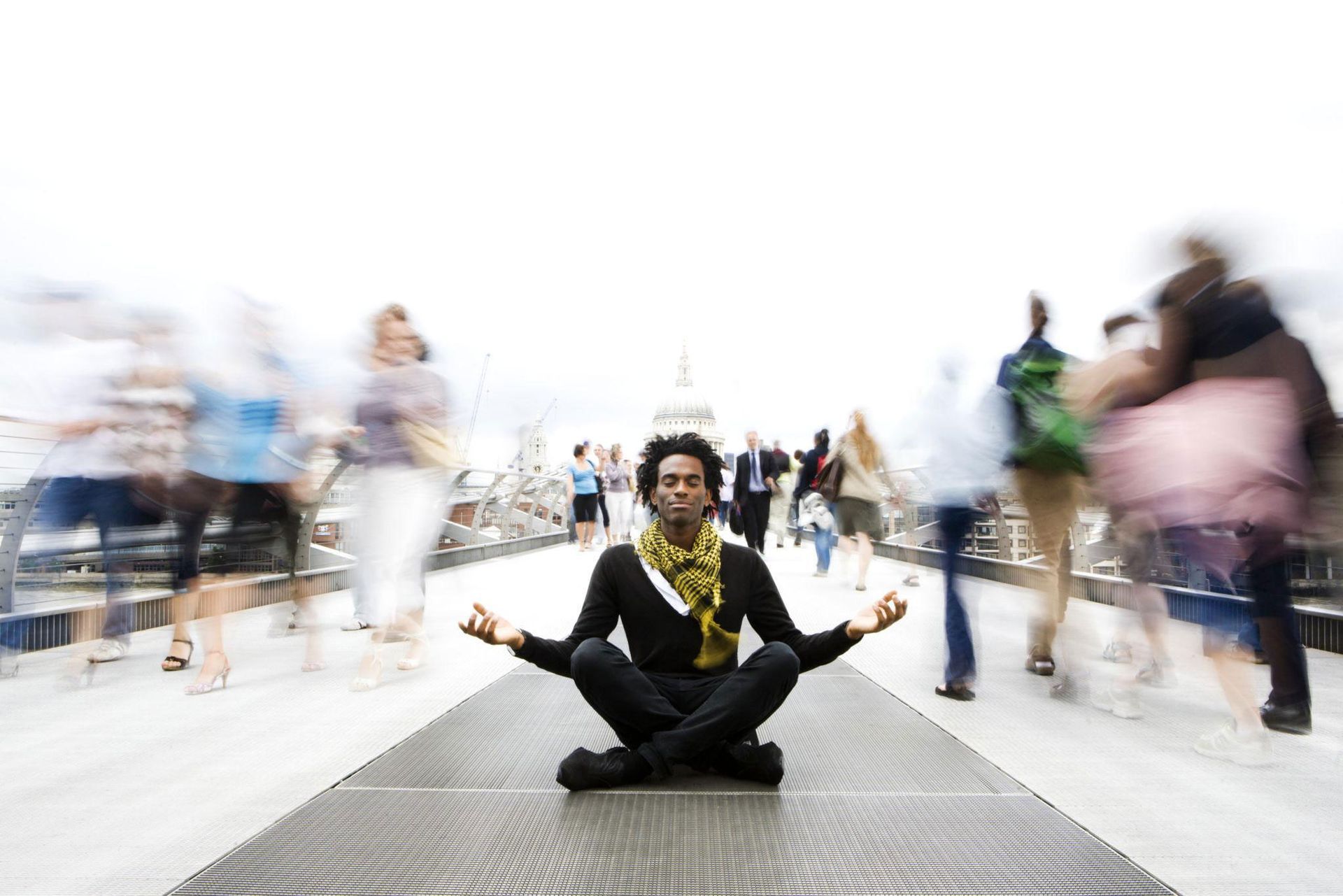
Over time, slowing down can even feel uncomfortable.
Silence feels unnatural.
Stillness feels unproductive.
Rest creates guilt.
In many ways, society has programmed people to equate self-worth with output.
The danger is that this mindset may produce short-term performance, but long-term consequences.
What Happens If This Continues?
If businesses continue prioritising speed without sustainability, we are likely to see:
- increased burnout
- higher staff turnover
- emotional detachment at work
- reduced creativity
- poorer mental and physical health
- declining engagement despite technological advancement
Ironically, the more “efficient” workplaces become, the more human energy they may end up draining.
And this is already showing up across industries.
Many employers are struggling with retention, motivation and workplace culture despite investing heavily in technology and automation.
Because people do not operate like software.
Human performance is deeply connected to:
- energy
- purpose
- focus
- emotional wellbeing
- recovery
- meaningful connection
These are not “soft” topics anymore.
They are business performance topics.
So What Can We Do Differently?
The solution is not to reject technology.
Automation is powerful.
AI is powerful.
Modern tools absolutely have their place.
But perhaps the next stage of progress is not asking:
“How can we do more?”
Perhaps it is asking:
“How can we operate better?”
Businesses and individuals alike need to become more proactive about protecting human sustainability.
That may look like:
- creating healthier boundaries around communication
- reducing unnecessary digital noise
- encouraging deep work instead of constant interruption
- valuing quality over urgency
- investing in employee wellbeing proactively, not reactively
- understanding that recovery improves performance, not weakens it
The future of work cannot only be about efficiency.
It also has to be about humanity.
The Businesses That Will Win
The businesses that succeed in the next decade will not necessarily be the most automated.
They will be the ones that understand how to combine technology with human sustainability.
Because while machines may increase speed, people still drive culture, innovation, leadership and long-term growth.
And perhaps real success is not building faster lives.
Perhaps it is building better ones.