Longevity and the Future of Work: What Happens When We Live Longer, Work Less, and Have More Time?
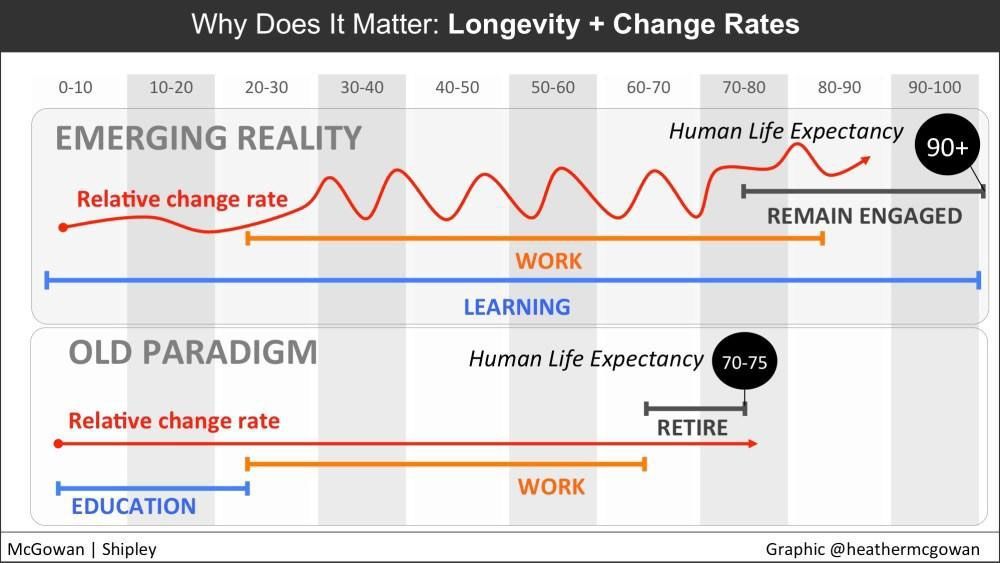
For centuries, human life followed a relatively predictable pattern: Learn. Work. Retire.
Most people spent their first 20 years learning, the next 40 years working, and hopefully enjoyed a few years of retirement at the end.
But what if that model is about to disappear?
Thanks to advances in healthcare, biotechnology, artificial intelligence, preventative health, personalised nutrition, and longevity science, many experts believe today's younger generations could routinely live beyond 100 years old. Some researchers even suggest that healthy lifespans could extend far beyond that.
If people live longer, healthier lives, the world of work will need to change dramatically.
At Talent Boutique Solutions, we believe workforce planning is no longer about filling vacancies. It is about understanding how human potential, technology, and longevity will reshape the future.
The Next 5 Years: Human + AI
Over the next five years, AI will become a normal part of daily work.
Administrative tasks, scheduling, data entry, reporting, customer service, and many repetitive processes will increasingly be automated.
This doesn't mean humans become obsolete.
It means humans become more valuable in areas where machines struggle:
- Leadership
- Emotional intelligence
- Creativity
- Relationship building
- Strategic thinking
- Problem solving
- Innovation
Companies will hire fewer people for repetitive work and more people who can think, adapt, influence, and create.
The workforce will become smaller but more specialised.
Employees who continuously learn will thrive.
Those who rely solely on technical skills may find themselves replaced by software.
The Next 10 Years: Careers Will Become Fluid
The traditional concept of a "career ladder" may disappear.
Instead of choosing one profession for life, people may have several careers across their lifetime.
A 60-year-old might return to university.
A 70-year-old may launch a startup.
An 80-year-old could still be consulting globally.
Retirement may become optional rather than expected.
When people remain physically and mentally healthy for longer, there is no reason why their most productive years cannot continue well beyond today's retirement age.
Organisations will need to rethink:
- Recruitment
- Training
- Succession planning
- Age diversity
- Employee wellbeing
The future workforce may include five or even six generations working side by side.

The Next 50 Years: The Era of Abundance?
This is where things become truly fascinating.
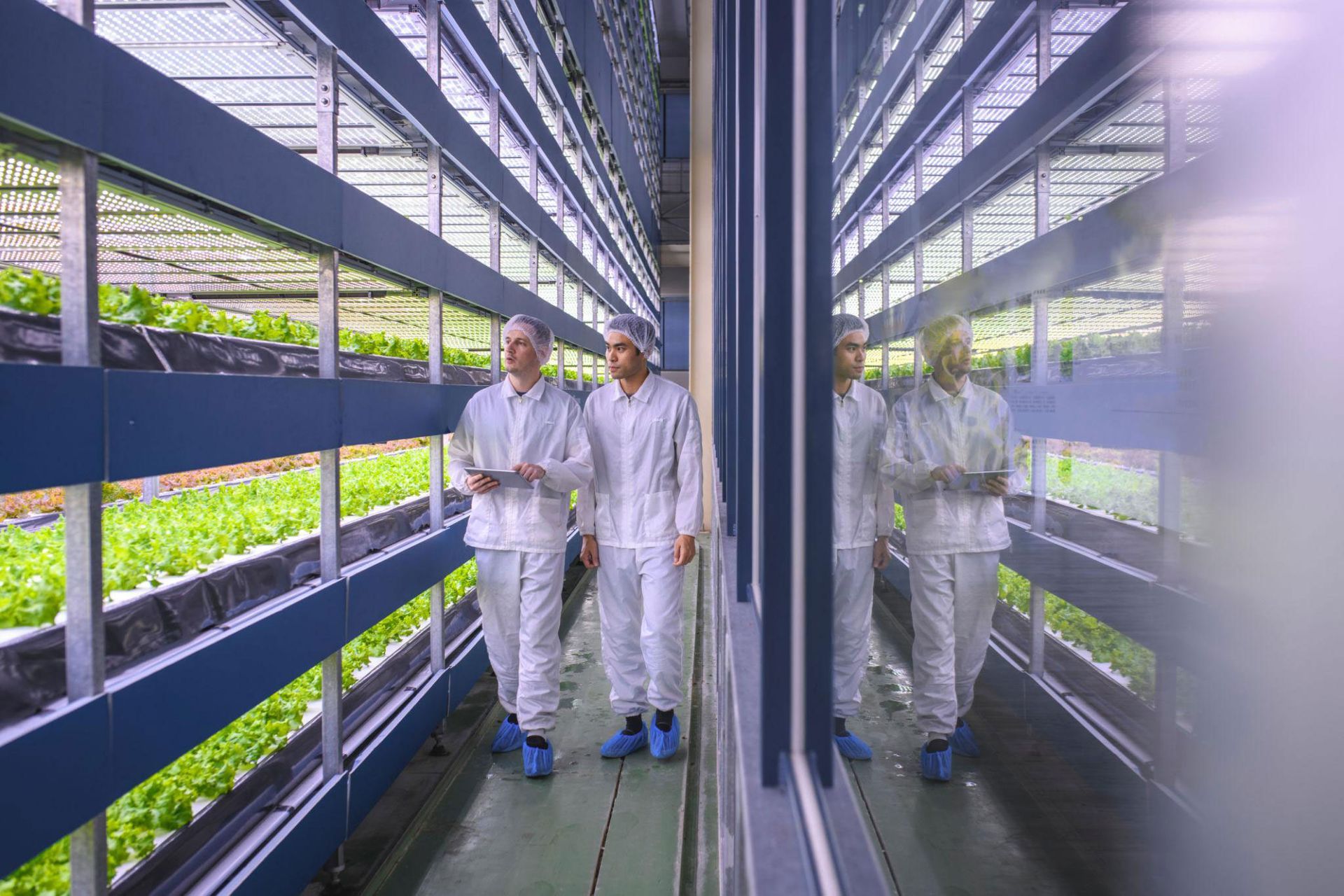
If artificial intelligence, robotics, automation, and advanced technologies continue at their current pace, society could produce far more goods and services with far fewer human workers.
Many jobs that exist today may no longer be necessary.
Think about professions such as:
- Data entry clerks
- Basic administrators
- Telemarketers
- Cashiers
- Basic accountants
- Drivers
- Warehouse pickers
- Call centre agents
Many of these roles may become largely automated.
History shows us that technology always creates new opportunities.
The question becomes:
What will humans do when survival is no longer their primary concern?
A World Where Work Is a Choice
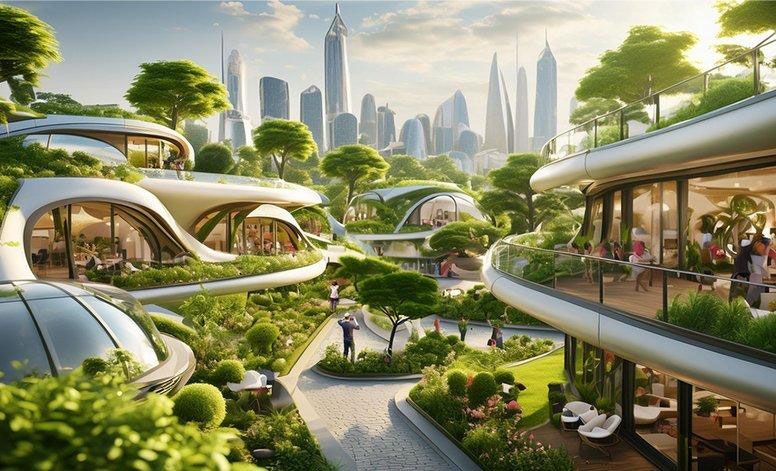
Imagine a world where your basic needs are largely covered by technology-driven productivity.
Instead of working 40-50 hours per week, perhaps people work 10-20 hours.
Or perhaps they work only when they choose.
Human purpose may shift away from survival and toward fulfilment.
People may spend more time:
- Creating art
- Learning
- Travelling
- Mentoring
- Building communities
- Exploring spirituality
- Caring for family
- Volunteering
- Innovating
- Pursuing passions
The future may value meaning more than productivity.
For the first time in human history, millions of people could ask:
"What do I genuinely want to do with my life?"
Rather than:
"What must I do to pay my bills?"

The Businesses That Will Thrive
As technology solves more practical problems, demand for human experiences will increase.
Future growth industries are likely to include:
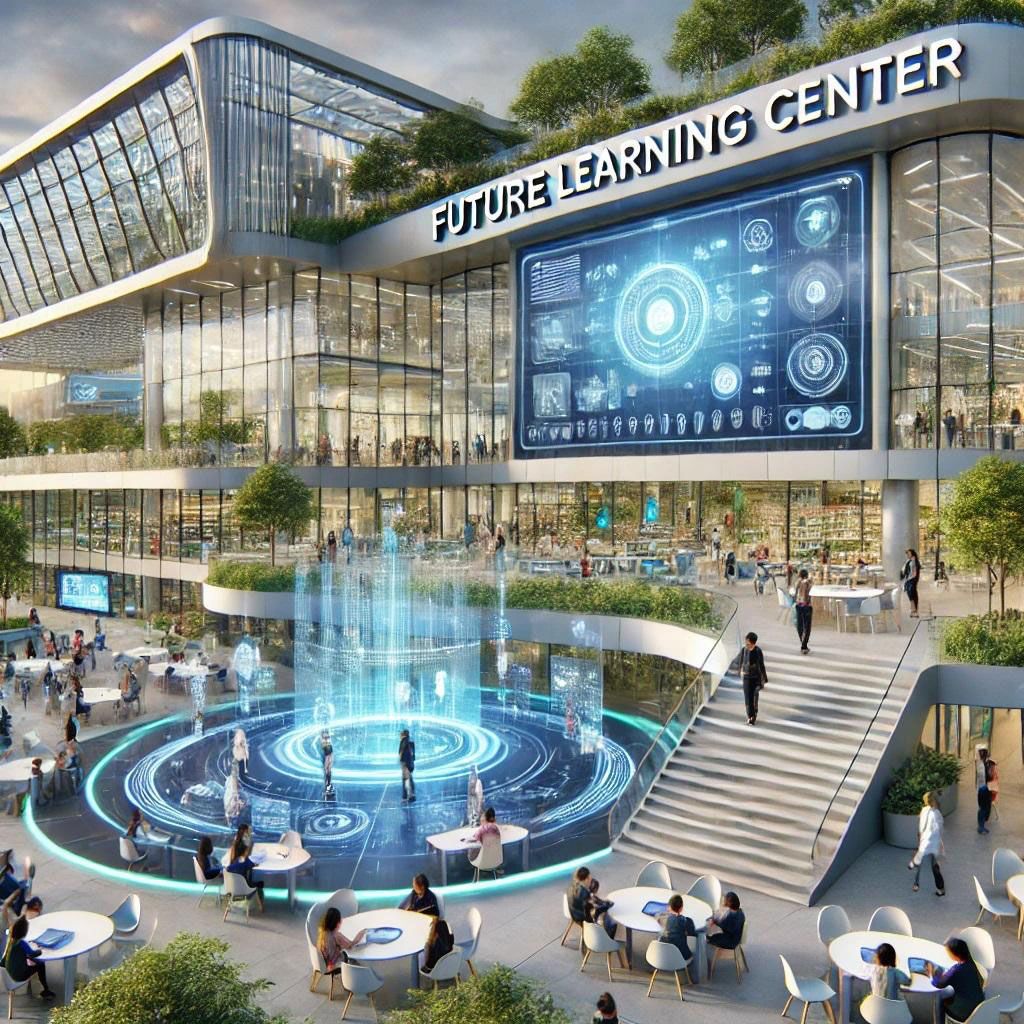
Preventative Health and Longevity
People living longer will want to remain healthy longer.
Demand will increase for:
- Personalised nutrition
- Health testing
- Longevity clinics
- Wellness technologies
- Preventative healthcare
- Brain optimisation
- Functional medicine
Human Connection
As AI becomes more common, authentic human relationships become more valuable.
Growth sectors may include:
- Coaching
- Mentoring
- Community building
- Events
- Personal development
- Experiences
Education and Continuous Learning
People living to 100+ years will constantly need new skills.
Learning will become lifelong.
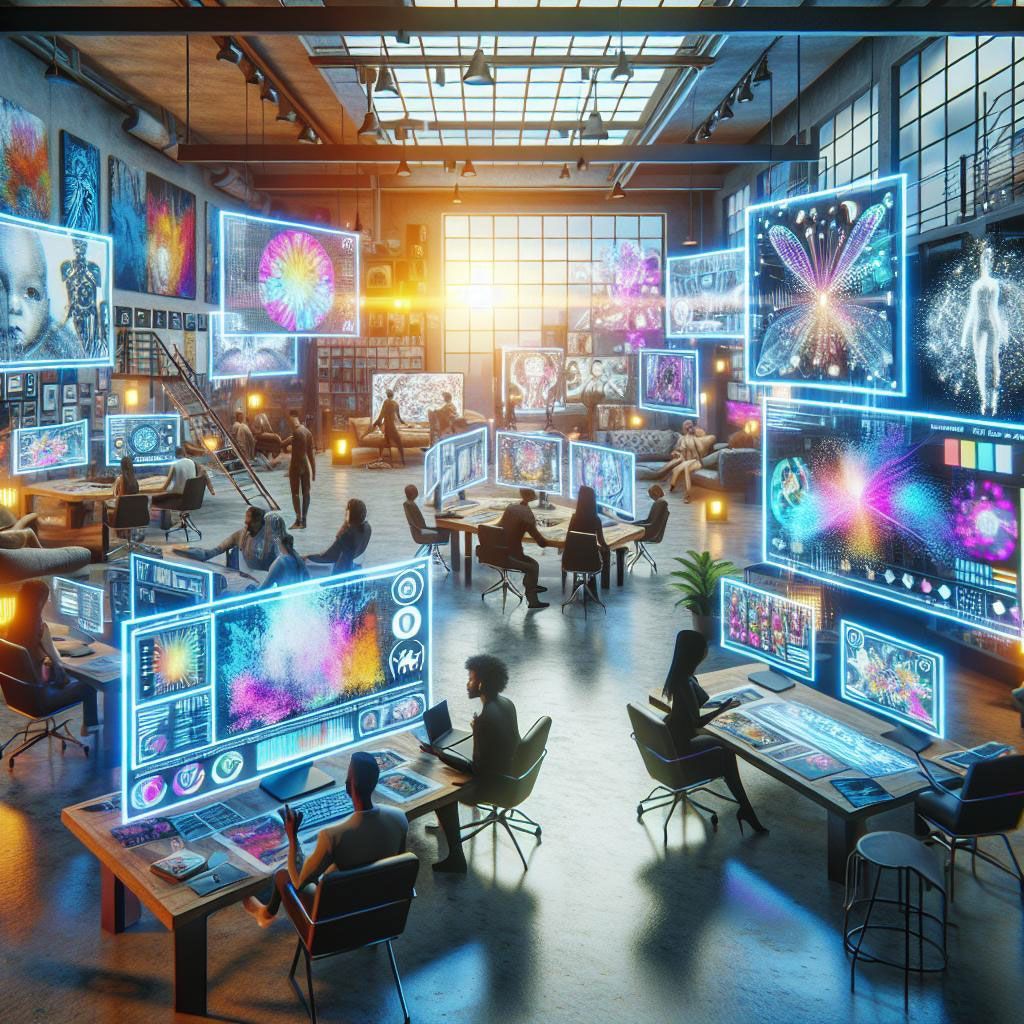
Creativity and Personal Expression
Art, design, entertainment, content creation, and storytelling may become some of the most important human activities.
Purpose-Based Businesses
People will increasingly seek meaning, contribution, and impact rather than simply products and services.
Businesses that help people find purpose may become some of the most valuable organisations in the world.
What Could Disappear?
No industry disappears entirely, but some may shrink significantly.
Likely candidates include:
- Repetitive administrative roles
- Basic customer service
- Traditional call centres
- Manual data processing
- Low-skilled logistics functions
- Routine accounting work
- Simple legal services
The common theme is predictability.
Anything predictable is increasingly vulnerable to automation.
The Greatest Challenge: Purpose
The biggest challenge of the future may not be unemployment.
It may be identity.
For generations, people have defined themselves through their work.
When someone asks, "What do you do?" they are usually asking who you are.
But if work becomes optional, we may need a new answer.
The future may require us to discover meaning beyond our job title.
That could be uncomfortable for some.
Liberating for others.
And transformational for society as a whole.
Final Thoughts
The future of work is not simply about artificial intelligence replacing jobs.
It is about humanity evolving.
The organisations that thrive will be those that recognise people are not merely workers.
They are creators, innovators, leaders, caregivers, thinkers, and visionaries.
At Talent Boutique Solutions, we believe the most successful businesses of the future will invest not only in skills, but in human potential.
Because in a world where technology becomes increasingly powerful, being human may become our greatest competitive advantage.
The future belongs to those who can adapt, learn, and find purpose in a rapidly changing world.
And perhaps the most important question is not:
"What job will exist in 50 years?"
But rather:
"Who do we choose to become when we have the freedom to be anything?"